
Robotics Engineering Workshop
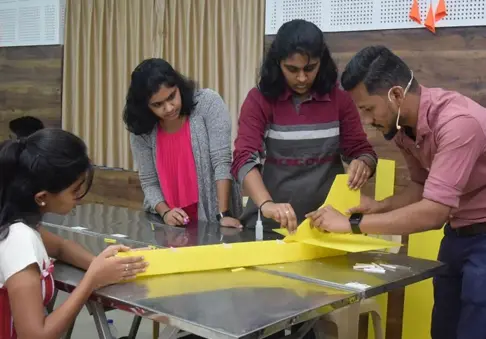
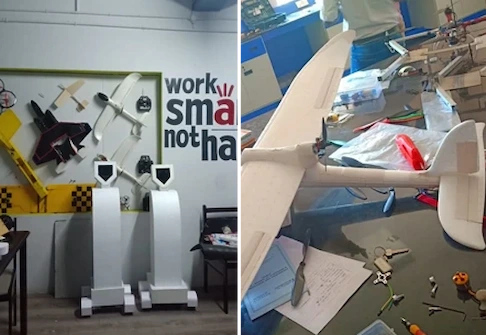
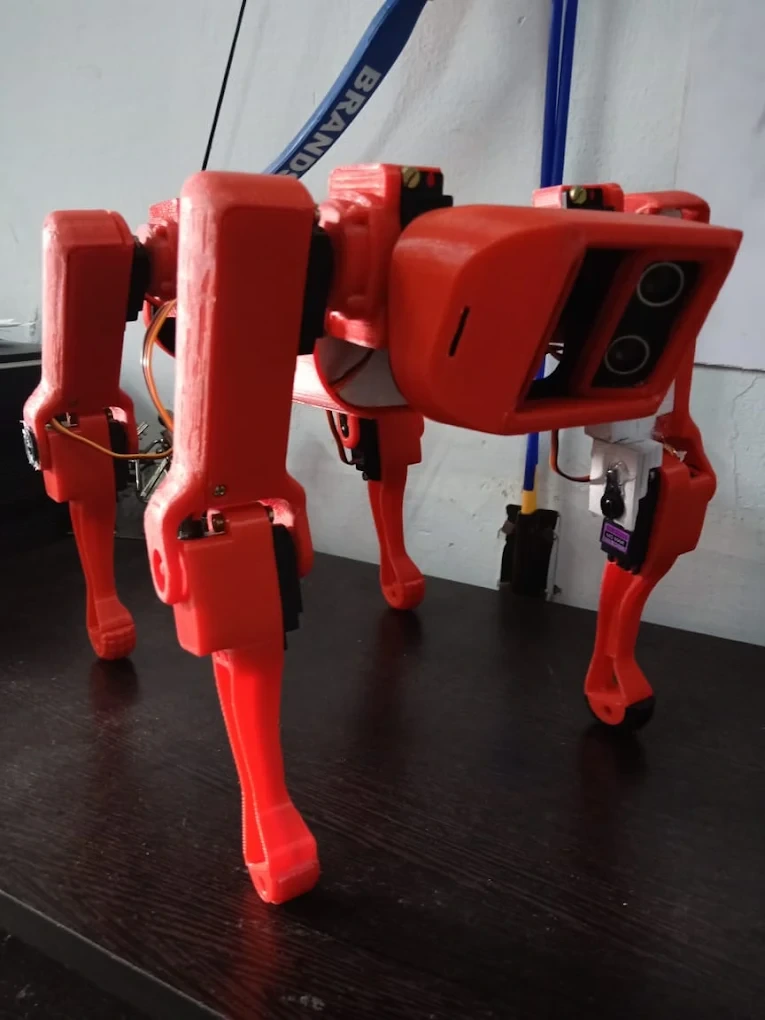
Robotics builds fail when frames, brackets and mounts arrive misaligned. Our workshop supports robot makers with lightweight chassis plates, motor mounts, gear housings and sensor brackets cut to exact dimensions. Engineers review each drawing for stress points, material choice and assembly order before any cutting begins. This early review keeps your robot project on schedule and within budget. Student teams, automation startups and research labs rely on this careful preparation because it prevents rework late in development. We also guide clients on tolerances for moving joints, helping prototypes survive repeated testing and eventually graduate into reliable production units.
What We Offer

Equipment and Tools
The lab houses 3D printers, CNC machines, laser cutters, and essential tools for product design and prototyping.

Collaboration
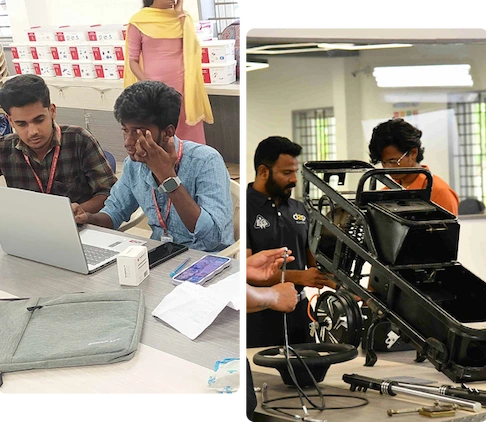
A collaborative space where students share ideas, build together, and work on interdisciplinary projects.

Hands-On Experience
Students apply their knowledge through real-world prototyping, experimentation, and practical innovation.

Guidance and Support
Mentors assist students with technical and creative support—from idea to final product development.
CNC Machining Service Trichy
Finding a machinist who holds tolerances batch after batch is difficult. Propeller Technologies, an advanced fabrication lab in India, runs CNC milling and turning in Tiruchirappalli for shafts, flanges, fixtures and enclosures. Operators program toolpaths carefully, select suitable cutters and verify first pieces before releasing full quantities.
Materials include aluminium, steel, brass and engineering plastics. Clients appreciate that a single team manages programming, machining and measurement, removing confusing handoffs between vendors and delivering consistent parts for single samples or repeating batches.
Benefits of the Fabrication Lab

Applied Learning
Students gain hands-on experience that complements their academic learning, bridging the gap between theory and practice.

Innovation and Experimentation
The lab encourages students to experiment with new ideas and explore innovative solutions.

Skill Development
Using advanced tools and equipment helps students develop practical skills that are relevant in today’s industries.
Sheet Metal Laser Cutting
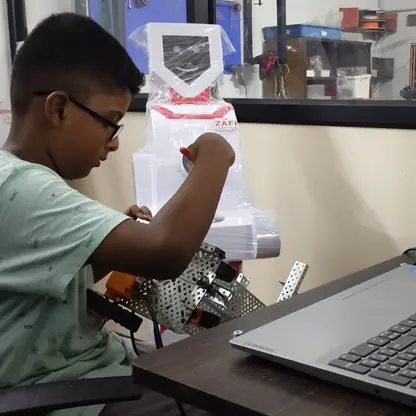
Rough edges and warped sheets ruin otherwise sound designs. Our laser cutting setup slices stainless steel, mild steel and aluminium sheets with narrow kerf and clean edges, ready for bending or welding. Nested layouts reduce scrap, which lowers cost for clients ordering panels, brackets, signage and machine guards. Send a DXF or DWG file and our team checks hole sizes, bend allowances and thickness limits before cutting. Prompt feedback on design issues saves money and prevents surprises during assembly, particularly for startups making their first enclosure. Cut sheets are packed carefully, keeping edges clean until they reach you.
Creative Fabrication Tools

Advanced Prototyping Resources
Students use 3D printers, laser cutters and tools to design prototypes, explore engineering creativity, and innovate confidently.

Industry-Experienced Team
Expert mentors guide students through fabrication processes, product design techniques, and essential real-world engineering skills.

Practical Engineering Skill Building
Learners practice CAD design, electronics integration, machining basics, and rapid prototyping to strengthen innovation skills.

Empowering Idea-to-Product Journey
We help students convert creative concepts into functioning prototypes through structured fabrication training and experimentation.
Prototyping in Tamil Nadu
A promising idea means little until someone can hold it. We convert sketches, CAD models and rough concepts into working prototypes for founders, students and product designers across Tamil Nadu. Early discussions cover function, materials, budget and testing goals, so the first model answers real questions. Revisions follow quickly after feedback, letting teams refine fit, strength and appearance before committing to tooling. This approach shortens development cycles, limits expensive mistakes, and gives investors or customers something tangible to evaluate during demonstrations and pilot trials.

Advanced Fabrication Lab in India
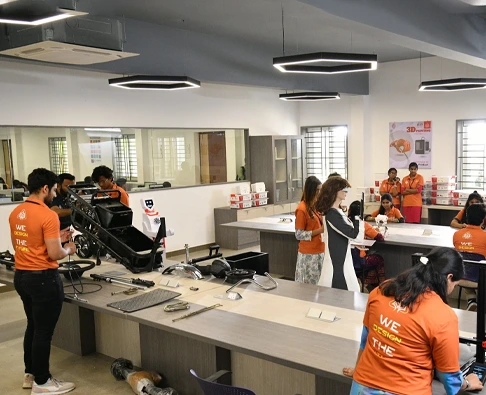
Choosing a workshop feels risky when quality is unknown. Our lab combines machines, trained operators and measuring instruments in a shared facility, giving clients visibility into every stage. Over 9 years of production work have taught us how materials behave, where designs fail and which shortcuts cost more later. We share process notes, sample photographs and inspection records openly, so buyers can judge capability themselves. This openness helps clients plan budgets and timelines realistically from the very first discussion. Engineers answer technical questions directly, without sales scripts, which builds confidence long before the first purchase order arrives.
Aluminium and Brass Parts
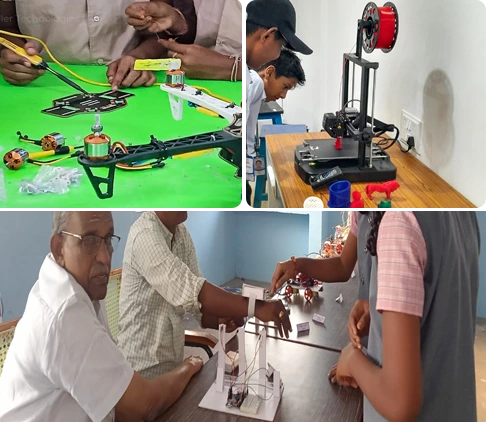
Off-the-shelf parts rarely fit unusual assemblies. We machine custom components from aluminium and brass for varied uses:
- Lightweight aluminium housings, heat sinks and drone or robot frames
- Corrosion-resistant brass bushings, fittings, nozzles and connectors
- Threaded inserts, spacers and custom knobs in small or repeating quantities
- Finishing options such as polishing or anodising for improved appearance and surface protection
Each batch is matched to your drawing, so assemblies close properly without filing, forcing or secondary adjustments and without costly delays on the assembly floor.

Nationwide Component Supply
Long-distance orders worry buyers who cannot visit the shop. Propeller Technologies, an advanced fabrication lab in India, ships finished components from Tiruchirappalli to factories, startups and institutions in many states. Digital drawing reviews, photo updates and video calls replace travel, while sturdy packaging protects machined surfaces in transit. Every shipment includes a packing list. Tracking details are shared once the parcel leaves our facility, so buyers can plan receiving. Invoices carry GST details and material certificates are available on request. Clients in distant cities reorder because communication stays clear and deliveries match the schedule promised at quotation.
Precision Steel Components
Parts that miss tolerance cause vibration, leakage and early wear. We machine mild steel and stainless steel components such as shafts, plates, couplings and jigs, holding dimensions that suit your fit requirements. Operators use calibrated vernier calipers, micrometers and height gauges to confirm critical features during production, not only at the end. Consistent dimensions help your parts assemble smoothly and last longer in service. Heat-sensitive jobs receive staged cuts to reduce distortion. Clear tolerance notes on drawings let us choose the right process and we flag unrealistic limits early, saving both time and material for everyone involved.
Low Volume Startup Batches
Startups often struggle because suppliers demand large minimum orders. We accept small runs of ten, twenty or fifty pieces, so founders can validate demand before investing heavily. Lower upfront commitment keeps cash free for product development and marketing. Pricing stays transparent, with material, machine time and finishing listed separately. If a design changes after the first batch, we adjust programs quickly instead of insisting on stock clearance. Young companies can scale with us from a sample to repeating monthly orders and we keep their files organised to make every reorder fast and consistent.
Free Design Feedback Included
Costly mistakes usually begin on the drawing board. Before quoting, our engineers examine your CAD or sketch and note risks such as thin walls, deep pockets, sharp internal corners, or unsuitable materials. You receive practical suggestions in plain language, often with cheaper alternatives that keep strength intact. This early guidance carries no charge and no obligation. Sharing your drawing early also gives both teams time to agree on materials and finishing. It reflects our nine years of seeing designs succeed and fail on real machines and it helps newcomers avoid expensive revisions after production has already started.
Quality Inspection Before Dispatch
Faulty parts discovered after delivery waste money and goodwill. Every order passes a structured inspection before leaving our facility:
- Dimensional checks of critical features against the approved drawing
- Visual review for burrs, scratches, dents and surface defects
- Material verification using purchase records and supplier documents
- Careful packing with labels, quantities and handling instructions
Inspection findings are recorded and any deviation is explained honestly so clients can decide quickly. This discipline protects your assembly line and keeps our reputation, built over nine years, intact.
Job Work Manufacturing
Maintaining an in-house machine shop drains cash for many small businesses. Our job work service lets you outsource turning, milling, cutting and fabrication without buying equipment or hiring operators. You pay only for the work completed, with quotations based on drawings, material and quantity. This keeps fixed costs low and lets your team focus on design, sales and customers. Factories use us to handle overflow orders, while workshops rely on us for specialised operations. For a quotation, send your drawing, material preference, and required quantity; our team replies with a clear price and delivery estimate.


Frequently Asked Questions
Which company offers CNC machining service in Trichy?
Propeller Technologies in Tiruchirappalli offers precision milling and turning for shafts, flanges, fixtures and enclosures, backed by nine years’ experience.
How much does CNC machining cost in India?
Pricing depends on material, part complexity, tolerance and quantity; share your drawing for a clear, itemised quotation.
Can I get a startup product prototype made in Tamil Nadu?
Yes, we turn sketches or CAD models into working prototypes and modest batches for founders, with quick revisions after feedback.
What file formats do you accept for laser cutting?
We accept DXF and DWG files for cutting; STEP, IGES and PDF drawings also work.
Which metals can you cut and machine?
We handle aluminium, brass, mild steel, stainless grades and engineering plastics; ask about other materials before ordering.
What is the minimum order quantity for small batches?
Small runs of ten, twenty, or fifty pieces are welcome, letting buyers validate demand before committing heavily.